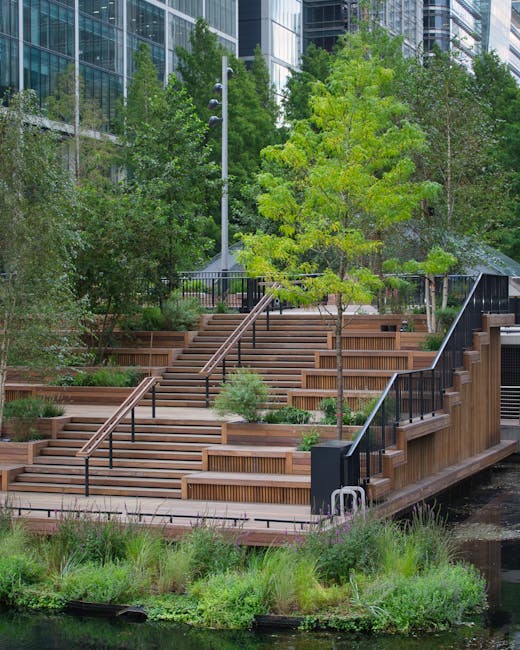
DA8 gardeners for narrow riverside terraces
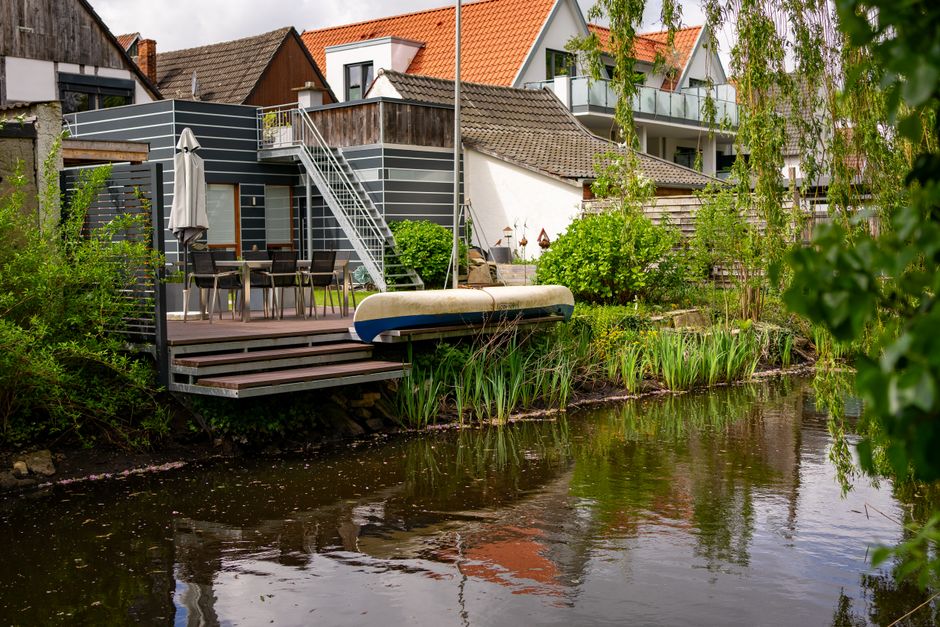
Narrow riverside terraces can be lovely, but they're rarely straightforward. You've got a tight footprint, wind off the water, sometimes awkward access, and the constant worry of making the space feel even smaller. That's exactly where DA8 gardeners for narrow riverside terraces earn their keep. With the right planning, a slim terrace can become calm, usable, and genuinely attractive without turning into a cluttered little jungle. Truth be told, the best results usually come from restraint, not cramming more in.
This guide breaks down how experienced local gardeners approach compact riverside spaces in DA8, what matters most, what to avoid, and how to get more from every square metre. Whether you want low-maintenance planting, better privacy, safer access, or a proper refresh after years of patch-and-pray gardening, you'll find a practical path here.
Why DA8 gardeners for narrow riverside terraces Matters
Narrow riverside terraces ask for a different mindset from standard garden jobs. Space is tight, drainage can be unpredictable, and the riverside setting often means more exposure to wind, a bit more damp, and faster wear on materials. A good plan has to do more than look neat for a week or two. It needs to hold up through wet spells, summer heat, and the everyday reality of people moving through a narrow outdoor strip.
That's why local experience matters. DA8 gardeners who understand riverside conditions will usually think first about function, access, and resilience. Not just flowers. Not just a tidy hedge. The whole usable space. What do you actually want from the terrace: breakfast seating, a screen from neighbours, somewhere for pots, a low-maintenance finish, or all four? If that question isn't answered early, the layout tends to drift and the space starts working against you.
There's also a practical side to this. In a narrow terrace, a poor choice of planting can create more daily frustration than beauty. Overgrown plants, slippery surfaces, heavy containers, and awkward corners can make a small area feel smaller still. A well-shaped terrace, by contrast, feels lighter, easier to maintain, and more welcoming even when it's only a few steps wide.
Expert summary: For narrow riverside terraces, the best gardening work is usually the kind you barely notice day to day because it simply works: clear circulation, robust planting, sensible drainage, and a layout that doesn't fight the space.
How DA8 gardeners for narrow riverside terraces Works
The process usually starts with a site visit or a careful conversation about the space. Good gardeners look at width, depth, light levels, wind exposure, privacy issues, and access points. On a riverside terrace, they'll also pay attention to where rainwater settles, where the cold wind funnels through, and which parts get the most sun throughout the day. A terrace that feels bright at noon can be surprisingly shaded by late afternoon. Funny how that happens.
From there, the work usually falls into three broad stages:
- Assessment: measuring the usable area, noting obstacles, and checking what needs retaining, replacing, or clearing.
- Planning: choosing a layout that keeps movement clear and avoids overcrowding.
- Build and planting: introducing hard-wearing surfaces, compact planting, containers, edging, screening, and ongoing maintenance routines.
In a small terrace, every decision has a knock-on effect. A tall planter can give privacy, but if it's too deep, it blocks circulation. A lush plant selection can soften hard edges, but if the species dislike wind or drying roots, they'll struggle. That's why experienced gardeners don't simply "fill the space". They edit it carefully.
If landscaping changes are involved, a broader plan can help too. For some properties, it makes sense to combine planting with structure, such as defined edges or a more stable surface. In those cases, a wider look at landscape gardening or even light-touch landscaping can bring the terrace together properly rather than leaving it as a collection of good ideas that never quite align.
Key Benefits and Practical Advantages
The main advantage of using DA8 gardeners for narrow riverside terraces is simple: they help a difficult space become genuinely usable. But the benefits go beyond appearance.
Better use of limited space
When a terrace is narrow, the layout has to be sharp. Proper spacing, slimline planters, and vertical planting can make the area feel wider and calmer. You notice it immediately when the walkway stops feeling like a squeeze.
Less day-to-day maintenance
Compact spaces can become high-maintenance very quickly if they're planted badly. The right planting scheme reduces constant cutting back, repositioning pots, and endless sweeping of leaf litter. That matters if you want the terrace to look good without becoming a weekend chore.
Improved privacy without bulk
Riverside terraces often face passers-by, neighbouring balconies, or overlooked angles from upper floors. Strategic screening with plants, trellis, and well-placed containers can improve privacy without blocking light. It's a bit of a balancing act, to be fair, but a good one.
Safer surfaces and easier access
With water nearby and weather exposure, surfaces can become slick or uneven. A thoughtful plan considers grip, drainage, and clear routes through the space. That's not glamorous, but it's one of the biggest quality-of-life improvements you can make.
More resilience in changing weather
Riverside microclimates can be odd. Breezy one day, muggy the next, then a wet patch that lingers longer than you'd expect. A well-chosen mix of plants and materials stands up better over time. You spend less replacing things that looked lovely for three months and then sulked.
Who This Is For and When It Makes Sense
This kind of service makes sense for a few very different people. Some want a stylish outdoor area for morning coffee and a few pots. Others need a practical reset because the space has become overgrown or awkward. And some simply want a terrace that doesn't feel exposed every time they step outside.
You may benefit from DA8 gardeners for narrow riverside terraces if:
- your terrace feels too tight for comfortable use
- plants keep failing because the space is too windy or too damp
- you want a neater look without losing light
- your pots and planters keep cluttering the walkway
- you need a garden that is easier to maintain year-round
- you're considering screening or softening hard boundaries
It also makes sense if you are preparing a property for sale or letting and want the terrace to look cared for, not just decorated. A compact outdoor space can influence first impressions a lot more than people expect. Buyers and tenants notice whether they can imagine actually using it.
And sometimes the trigger is just frustration. You step outside, look at the space, and think, "There has to be a better way." Usually there is.
Step-by-Step Guidance
If you're planning improvements, the cleanest approach is to treat the terrace as a sequence of small decisions rather than one big makeover. That keeps costs sensible and prevents the all-too-common overfilling problem.
- Measure the space properly. Note the narrowest points, access routes, door swings, and any awkward corners. In a small terrace, a few inches matter more than people think.
- Identify your priorities. Decide whether privacy, planting, seating, storage, or low maintenance comes first. You can have more than one goal, of course, but one should lead the layout.
- Check exposure and drainage. Observe where water lingers after rain and how the wind moves through the area. Riverside terraces often have localised dampness that affects plant choice and surface planning.
- Clear what no longer helps. Old pots, tired compost, unstable edging, and overcrowded plants can all sap the life from the space. A proper clearance can be strangely satisfying.
- Set the structure first. Decide on pathways, seating areas, screening positions, and permanent planters before adding soft planting.
- Choose the right planting style. Use compact species, layered planting, or vertical elements rather than wide, sprawling varieties that eat into circulation.
- Build in maintenance ease. Leave access for watering, pruning, and sweeping. If a plant is lovely but impossible to reach, it's probably in the wrong place.
- Review after the first season. Small gardens are honest. You will quickly see what thrives and what doesn't, so be ready to adjust.
In many cases, a light but thorough tidy-up is the best starting point. If the terrace is cluttered or full of unwanted growth, a service like garden clearance can create the breathing room needed before the finer design work starts. Once the space is clear, regular garden maintenance helps keep the plan on track rather than sliding back into chaos by midsummer.
Expert Tips for Better Results
A narrow terrace rewards thoughtful editing. Here are some of the techniques that tend to work best in real life, not just on paper.
- Use height instead of width. Climbing plants, slim trellis panels, and vertical containers draw the eye upward and preserve floor space.
- Keep a clear central route. Even a small strip of uninterrupted space helps the terrace feel calmer and easier to use.
- Choose containers that look deliberate. Mixed, mismatched pots can feel cluttered unless they're arranged with a clear theme.
- Watch the weight load. Terraces, especially older ones, should not be overloaded with heavy planters without proper consideration.
- Prefer tough planting over delicate novelty. Wind-tolerant, container-friendly plants usually outlast pretty-but-fussy alternatives.
- Repeat materials sparingly. One or two finishes, used well, look more refined than a mix of five different styles.
A small but useful trick: group plants by watering needs. It sounds basic, but on a terrace it can save a lot of trouble. You won't be trying to keep a drought-tolerant herb and a moisture-loving fern happy in the same corner. Gardening is easier when the plants stop arguing with one another.
Another tip is to treat screening as soft, not solid, wherever possible. Heavy barriers can make narrow terraces feel boxed in. Loose foliage, semi-transparent trellis, or staggered planting often gives a better result because light still moves through the space.
Common Mistakes to Avoid
Most disappointing narrow terraces don't fail because of one huge error. They fail because of a few small ones repeated across the space. Easy to do, honestly.
Overcrowding the terrace
The most common mistake is trying to do too much. Too many pots, too many colours, too many features. The result feels busy rather than inviting. Leave some room to breathe.
Ignoring wind and exposure
Plants that look perfect in a sheltered courtyard may perform badly on a riverside terrace. Strong stems and reliable root systems matter more than impulse buys from the garden centre.
Poor drainage planning
If water pools near the main walking area or around container bases, you'll end up with slippery surfaces and unhappy plants. Drainage needs to be considered from the start, not after the first soggy week.
Choosing the wrong scale
Oversized furniture or bulky planters can overwhelm a narrow plot. On the other hand, items that are too tiny can look lost and cluttered in a different way. Scale is everything.
Making maintenance awkward
If you need to shuffle three containers just to water one plant, something has gone wrong. Access matters. So does storage. So does not making your own life harder for the sake of a trendy look.
Forgetting long-term upkeep
A terrace that looks great in week one but is impossible to keep tidy by week twelve is not a success. Better to choose fewer good elements than a full scheme that will frustrate you later.
Tools, Resources and Recommendations
You do not need a warehouse full of kit to manage a compact riverside terrace, but the right tools make a noticeable difference. A tidy, manageable setup usually includes:
- lightweight pruning tools for regular shaping
- a watering can or hose arrangement suited to the access
- stable containers with proper drainage holes
- good-quality compost for container planting
- gloves, secateurs, and a small hand trowel
- simple ties or supports for climbers and taller stems
- a broom or compact sweeper for keeping surfaces clean
If you're comparing broader service options, it may help to look at the wider range of support available. Some people need only pruning and tidying, while others want a more complete reshaping of the outdoor space. A service overview such as services overview can help you understand where a narrow terrace project might sit within the bigger picture. For quick reference on the practical side, pricing and quotes is also useful when you want to judge scope before committing.
If privacy is a priority, companion services may help too. A terrace with vertical structure can sometimes benefit from well-placed screening or planting support, and that often sits neatly alongside thoughtful garden care rather than replacing it.
Law, Compliance, Standards, or Best Practice
For riverside terraces, compliance usually isn't about dramatic legal drama. It's more about sensible care, property boundaries, neighbour considerations, and safe working practice. If work involves shared access, structural attachments, or anything near walls, railings, or communal areas, it's wise to proceed carefully and check what is permitted for the property. That may include lease conditions, building rules, or local requirements depending on the site.
Best practice also matters. Reputable gardeners should work safely, handle tools properly, and avoid creating hazards with unstable pots, loose edging, or poorly positioned features. On narrow terraces, an obstructed route can be a real nuisance and, in some cases, a trip hazard.
It is sensible to use providers who are clear about safety and process. Relevant supporting information can usually be found in their health and safety policy and insurance and safety details. If sustainability matters to you, look for approaches that include responsible waste handling and sensible reuse where possible. For more context on that side, recycling and sustainability is a useful reference point.
One small but important note: riverside locations can be more exposed to damp, slipping risk, and changing surface conditions. That doesn't mean they're problematic. It just means the practical side should be respected. A good gardener will.
Options, Methods, or Comparison Table
There's no single right way to improve a narrow riverside terrace. The best method depends on budget, maintenance appetite, and how much change you actually want. Here's a simple comparison to help you think it through.
| Approach | Best for | Strengths | Trade-offs |
|---|---|---|---|
| Light tidy and replant | Spaces that are basically sound but messy | Lower cost, faster turnaround, less disruption | May not solve layout problems or privacy issues |
| Container-led redesign | Terraces with limited ground planting | Flexible, easy to refresh, good for narrow spaces | Needs regular watering and sensible grouping |
| Screening and vertical planting | Overlooked or exposed terraces | Improves privacy without using much floor space | Can feel heavy if overdone |
| Full terrace refresh | Spaces needing structure, planting, and access improvements | Most complete transformation | More planning, more investment, longer delivery |
In practical terms, many homeowners begin with a tidy-and-assess approach, then build from there. That keeps decisions grounded. It also stops you from spending a lot on a feature that doesn't fit once you actually live with the space. Happens more often than people admit.
Case Study or Real-World Example
Here's a realistic example from the sort of project people often bring to local gardeners. A narrow riverside terrace had become a patchwork of oversized pots, tired bamboo screens, and a few struggling shrubs that didn't like the wind. The walkway was technically there, but you had to dodge everything like it was an obstacle course.
The first step was not adding more. It was removing the wrong things. The overlarge containers were reduced, the weakest plants were cleared, and the layout was reset so there was a clear route from the door to the end of the terrace. A slim trellis helped with height, while better-suited plants were grouped in a more deliberate way. Nothing flashy. Just thoughtful.
What changed most was the feel of the place. It stopped looking squeezed. There was still greenery, still interest, still privacy, but now it felt like a terrace rather than a storage problem with plants attached. On a windy evening, that matters. You can hear the water, feel the breeze, and enjoy the space instead of negotiating it. That's the point, really.
Projects like this often prove that the smartest upgrade is not dramatic. It's the one that makes the area easier to live with every single day.
Practical Checklist
Use this checklist before starting work on a narrow riverside terrace. It keeps the project grounded and helps avoid expensive backtracking.
- Measure the terrace carefully, including narrowest points
- Note sun, shade, wind, and where rainwater collects
- Decide your top priority: privacy, planting, seating, or maintenance ease
- Remove clutter, dead plants, and awkward items first
- Plan a clear walking route through the space
- Choose containers and furniture sized for narrow access
- Use plants suited to exposure and container life
- Leave space for watering, pruning, and cleaning
- Check any property or shared-access restrictions before structural changes
- Build in a simple maintenance routine from day one
If you can tick most of those boxes, you're already ahead of the game. And if a few are still unresolved, that's fine too. Better to spot them now than after everything is in place and looking smug.
Conclusion
DA8 gardeners for narrow riverside terraces bring something valuable to a tricky kind of outdoor space: judgment. Not just plant knowledge, but the ability to shape a compact terrace so it feels balanced, useful, and calm in everyday life. That combination matters more than decorative flourishes. Especially when the space is tight, exposed, and expected to do a lot.
The best results usually come from simple principles done properly: clear layout, resilient planting, sensible drainage, and a maintenance plan that fits real life. Get those right and the terrace starts working with you, not against you. That's when a small riverside strip becomes a place you actually want to step into, not just walk past.
If you're weighing up your options, start with the basics and build from there. A careful plan now saves a lot of hassle later, and frankly, that's a pretty good trade.
Get a free quote today and see how much you can save.
Frequently Asked Questions
What makes narrow riverside terraces different from other gardens?
They're usually more exposed to wind, sometimes damper, and often much tighter for movement. That means the layout, plant choice, and materials all need to work harder than they would in a standard garden.
Can a very small terrace still feel stylish?
Yes, absolutely. In fact, small terraces often look better than larger ones when they're edited well. The trick is not to overfill the space and to use height, repetition, and restraint.
What plants work best on a narrow riverside terrace?
Plants that cope with wind, containers, and regular pruning tend to do best. Compact shrubs, hardy grasses, climbers, and some herbs can work well, provided they suit the light and exposure. A local gardener can help narrow the choices quickly.
How do gardeners make a narrow terrace feel bigger?
They usually keep the central route clear, use fewer but better-placed containers, add vertical structure, and avoid bulky items that block sightlines. It's partly design, partly discipline.
Is drainage a big issue on riverside terraces?
It can be. Water may linger in certain spots after rain, and containers can become waterlogged if they are not set up correctly. Good drainage and appropriate pot choice make a huge difference.
Do I need full landscaping work or just maintenance?
That depends on the current condition of the terrace. If it's basically sound but overgrown, maintenance and selective planting may be enough. If the layout is awkward or the space feels unusable, a more complete redesign may be better.
How often should a narrow terrace be maintained?
It depends on the planting, but compact spaces usually benefit from regular light attention rather than occasional heavy work. Small, frequent jobs tend to keep the space neat and avoid the dreaded weekend clear-up.
Are tall planters a good idea for privacy?
Yes, often they are, as long as they do not block too much light or crowd the walkway. Taller planters work best when they're used sparingly and paired with softer planting, not stacked everywhere.
Can I combine a terrace refresh with hedge or tree work?
Often, yes. If surrounding planting is contributing to shade, clutter, or privacy problems, it may make sense to combine the terrace project with related services such as hedge trimming or, where appropriate, tree lopping and removal. The key is making sure each change supports the overall space.
What should I ask before hiring a gardener for this kind of project?
Ask how they handle tight access, how they plan for wind and drainage, what maintenance will be needed afterwards, and whether they have experience with compact outdoor spaces. Clear answers usually tell you a lot.
Will a narrow terrace be expensive to improve?
Not always. A careful tidy, selective planting, and a simple layout refresh can be very manageable. Costs rise when structural changes, larger planters, or full redesigns are involved. It is usually best to discuss scope before work starts.
What if I want the terrace to look good all year?
Then you need a mix of structure and seasonal interest, not just one burst of summer colour. Evergreen elements, textured planting, and low-maintenance features help the space feel presentable even in colder months.
How do I get started if the space feels completely overwhelming?
Start with clearance and a proper assessment. Once the clutter is out of the way, the space becomes easier to judge. From there, it's much simpler to decide whether you need maintenance, planting, screening, or a full redesign. One step at a time.